Verification Holdups That Gatekeep Live Dealer Tables on Mobile Screens
Ben Braun · Oct 1, 2026

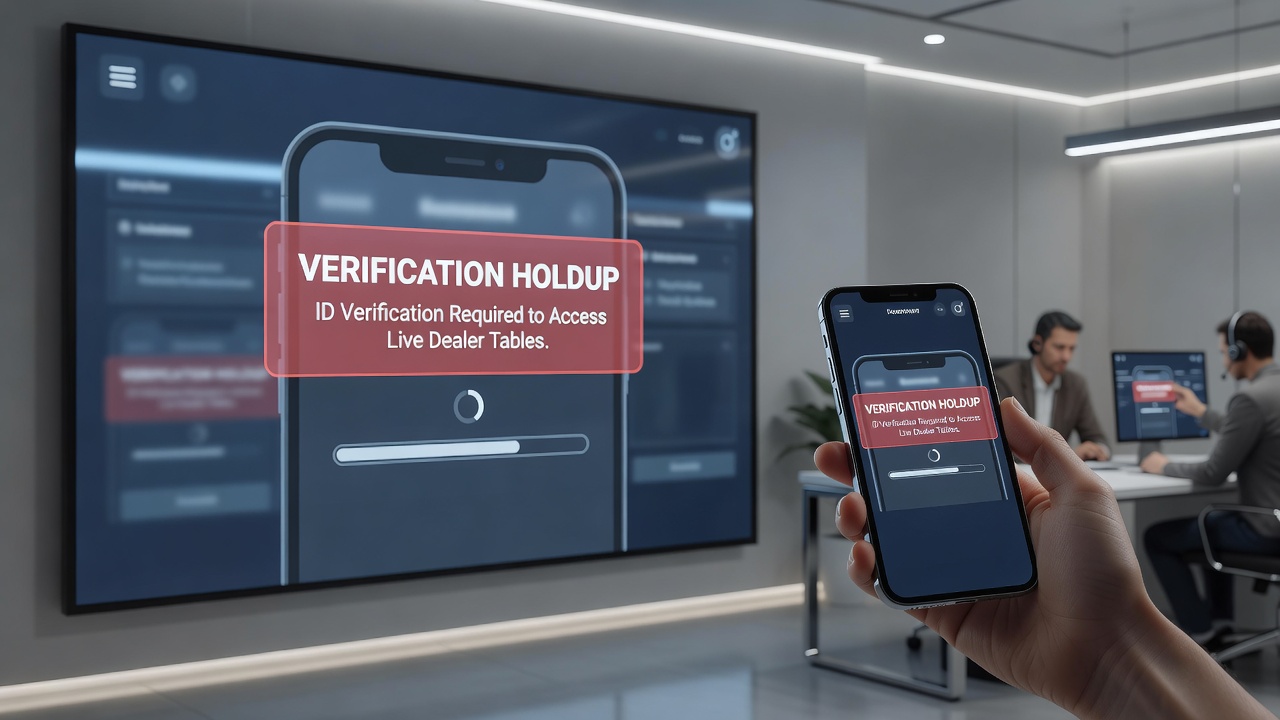
Account confirmation steps create repeated interruptions for players attempting to join live dealer tables through mobile applications, and these processes often extend beyond the initial registration phase into ongoing play sessions. Operators require document uploads and identity matches before granting entry to real-time blackjack, roulette, and baccarat streams because regulatory frameworks in multiple jurisdictions demand strict player verification to prevent underage access and financial crimes. Mobile devices introduce specific friction points during these checks since camera quality varies widely across phone models while network connections fluctuate during upload sequences. Data from industry reports indicates that average verification completion times stretch from several hours to multiple days when users submit materials through smartphone browsers or dedicated apps. Camera resolution problems frequently produce blurry identification card images that automated systems reject and route to manual review queues. File size limits on mobile uploads compound the issue because many phones compress images automatically yet regulatory standards require high-resolution scans for accurate facial matching and document authentication.Common Technical Barriers on Handheld Devices
Network instability during peak hours leads to interrupted upload sessions and forces users to restart the entire verification workflow from the beginning. App developers note that iOS and Android operating systems handle temporary file storage differently which sometimes results in lost submissions when background processes clear cache memory. Location services must remain active for geofencing compliance yet battery optimization features on newer phones disable these services without user notification and create additional verification failures.
Observers note that third-party identity verification services integrated into mobile casino platforms apply uniform algorithms across device types but mobile browsers lack certain desktop-level security certificates that speed up cross-checks with government databases. This mismatch produces higher rejection rates for smartphone users compared with desktop submissions. One study revealed that players attempting verification between 8 PM and midnight experience longer hold times because support teams prioritize higher-volume desktop traffic during evening peaks.
Regulatory Influences on Mobile Processes
Requirements from the New Jersey Division of Gaming Enforcement and similar bodies in other regions specify that operators must complete identity confirmation before allowing real-money wagers at live dealer tables. These rules apply equally to mobile and desktop channels yet enforcement mechanisms differ because mobile traffic now accounts for over sixty percent of live dealer sessions according to aggregated platform statistics. Operators therefore route mobile verification through the same centralized systems which creates bottlenecks when document volumes spike.
Research indicates that jurisdictions adopting updated digital identity standards in early 2026 saw modest reductions in average verification times yet mobile-specific implementations lagged behind desktop updates. The gap persists because mobile operating system updates occur on staggered schedules across device manufacturers and many users delay installation of required security patches that support newer verification protocols.
Player Experiences Across Different Regions
Users in markets with mature mobile gambling frameworks report that verification delays often resolve faster when operators permit partial table access during pending reviews yet this practice remains limited because live dealer games involve real-time financial transactions. Those who switch between multiple devices during the process encounter repeated prompts for the same documents since session tokens tied to specific phone identifiers expire quickly. Platform logs show that repeated login attempts from new mobile IP addresses trigger additional security layers that extend hold periods beyond standard timelines.
Industry associations tracking mobile engagement patterns recorded that verification completion rates improved slightly when operators introduced in-app camera tools with guided framing overlays yet adoption of these tools varies by provider. Players attempting to join live dealer tables during October 2026 encountered temporary surges in processing queues following major software updates from leading verification vendors. The timing coincided with seasonal increases in mobile traffic as users returned from summer travel and resumed regular play patterns on handheld devices.
Operational Adjustments by Platform Providers
Casino operators have begun testing hybrid verification flows that combine automated checks with limited human oversight reserved for mobile submissions flagged as high-risk. These adjustments aim to reduce full manual reviews while maintaining compliance with financial reporting obligations. Data shows that platforms offering real-time status updates through push notifications see lower abandonment rates during verification windows because players receive clearer expectations about remaining steps and estimated completion times.
Technical teams continue refining image preprocessing algorithms specifically for mobile camera inputs to account for variable lighting conditions and device sensor differences. Such refinements reduce initial rejection rates although they require ongoing calibration as new phone models enter the market each quarter. The process remains iterative because each device generation introduces new variables in image capture and transmission protocols.
Conclusion
Verification holdups continue to shape access patterns for live dealer tables on mobile screens through a combination of technical constraints, regulatory requirements, and platform integration challenges. Platform providers respond with incremental tool improvements and process adjustments while users navigate device-specific limitations that affect upload success rates. Ongoing developments in digital identity technology and mobile hardware capabilities point toward gradual refinements in these workflows over coming quarters.