Mapping Financial Routes Between Deposits and Reward Triggers in Portable Table Game Applications
Leon Ludwig · Oct 15, 2026
Mapping Financial Routes Between Deposits and Reward Triggers in Portable Table Game Applications
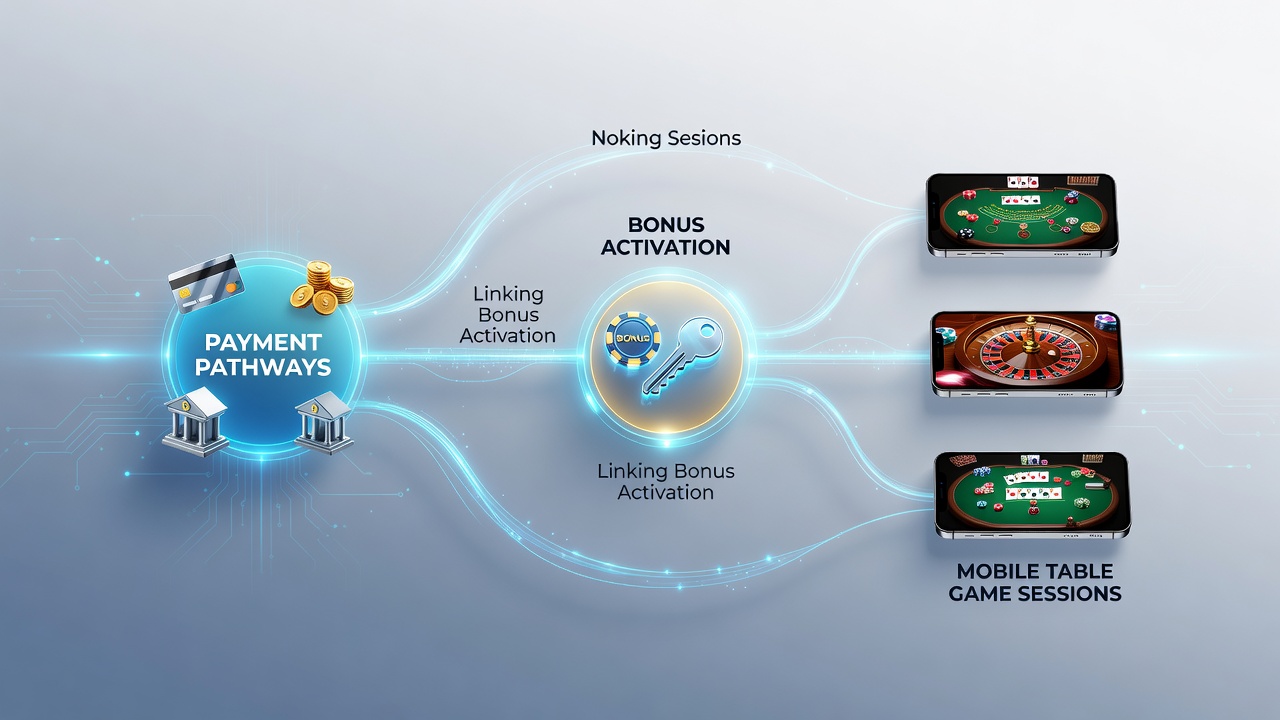
Payment pathways in mobile table game platforms operate through integrated sequences that connect user deposits directly to bonus activation mechanisms, and these sequences rely on real-time verification protocols established by operators and payment processors. Data from October 2026 shows increased adoption of instant funding options such as digital wallets and bank transfers in regions where mobile table games like blackjack and baccarat dominate user sessions, while operators track every transaction step to ensure compliance with licensing requirements across multiple jurisdictions.
Core Components of Transaction Pathways
Operators design these pathways around several linked stages that begin with user-initiated deposits and end with credit allocation visible inside the game interface, and each stage incorporates security checks that prevent premature bonus releases. Payment gateways handle the initial authorization, after which backend systems evaluate eligibility criteria including deposit amount thresholds, player history, and promotional terms before triggering the bonus. Researchers note that seamless integration between these components reduces session interruptions, which in turn supports higher engagement rates during peak evening hours when table game traffic spikes.
Studies conducted by industry analysts reveal that platforms using API-driven connections between payment providers and game servers achieve faster bonus crediting times compared with legacy batch-processing methods, and this speed matters because players often move directly from deposit confirmation screens into live dealer tables. One example involves a major European operator that streamlined its wallet-to-game ledger updates in early 2026, resulting in reported reductions in support tickets related to delayed rewards. Those who've examined transaction logs across multiple apps observe that cryptographic verification steps add milliseconds to the process yet significantly lower fraud incidence rates.
Regional Variations in Implementation
North American markets demonstrate distinct patterns where state-level regulations shape how quickly bonuses activate after deposits, whereas Asian operators frequently emphasize mobile-first wallet solutions that bundle currency conversion and reward triggers into single transactions. According to figures released by the American Gaming Association, mobile table game revenue contributions grew steadily through the first three quarters of 2026, driven in part by payment innovations that tie deposit bonuses to minimum playthrough requirements within specific game categories. European regulators, including those overseeing Malta-based licenses, enforce transparency rules that require operators to display activation conditions before any funds transfer completes, which influences how pathway designs present information to users.
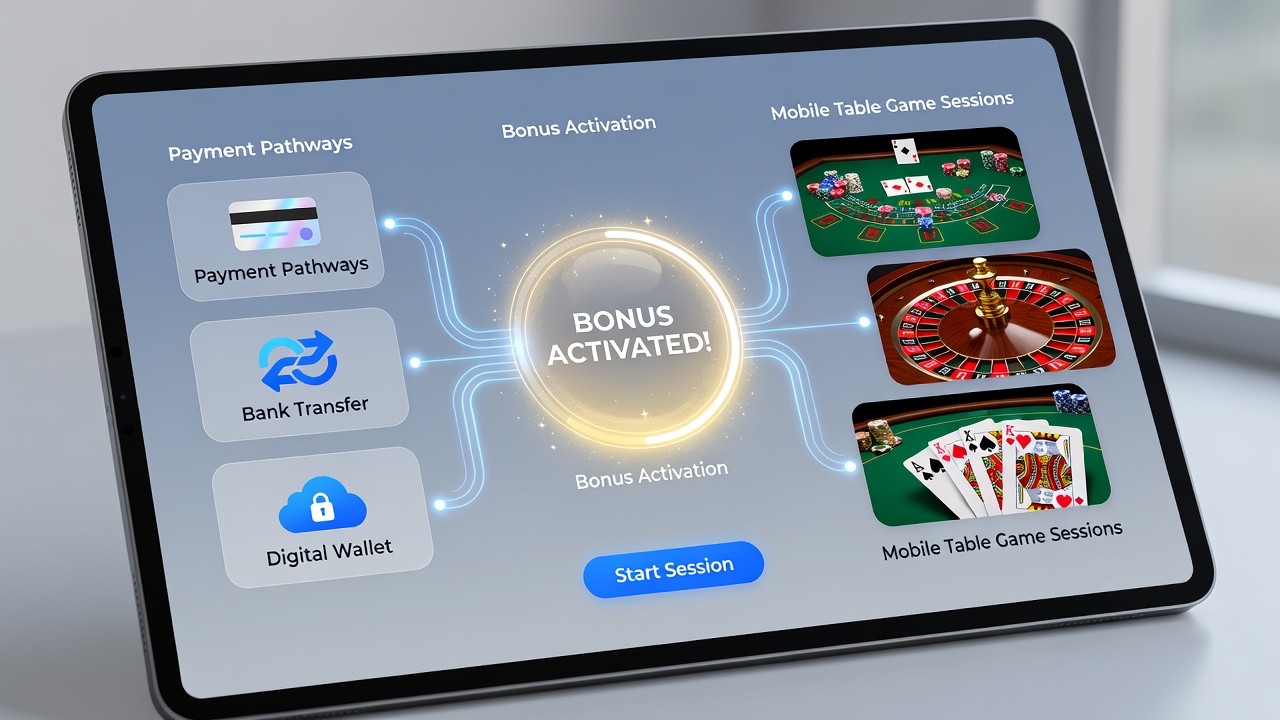
Observers tracking October 2026 activity report that cross-border payment rails such as those offered by certain fintech firms now support instant activation in select jurisdictions, although currency volatility can still affect final bonus values displayed to players. Data indicates that operators in Canada have experimented with localized bank transfer partnerships that reduce processing fees while maintaining the same linkage between deposit events and promotional credits, and these experiments appear in session analytics as shorter intervals between funding and gameplay start.
Security and Compliance Layers
Security protocols embedded in these pathways include multi-factor authentication at deposit points and automated monitoring that flags unusual patterns before bonuses activate, and such measures align with broader efforts to combat money laundering across digital gaming environments. Industry reports highlight that operators integrate these checks without extending average transaction times beyond acceptable thresholds for mobile users, which helps preserve the flow from deposit confirmation to table game entry. Experts analyzing compliance data note that jurisdictions requiring source-of-funds verification add an extra review layer that can delay bonus activation by several minutes, yet these delays correlate with lower dispute volumes over subsequent weeks.
Payment pathway documentation shared among operators often references standardized messaging formats that allow game servers to receive confirmation signals once a deposit clears, and this standardization supports interoperability between different wallet providers and table game engines. Those monitoring system performance in October 2026 found that platforms incorporating real-time ledger synchronization experienced fewer instances of bonus credits failing to appear during active sessions, which directly affects player retention metrics tracked by management teams.
Future Developments in Pathway Architecture
Developments underway include greater use of blockchain-based settlement layers that could further compress the interval between deposit and bonus visibility, although adoption remains limited to specific operator groups testing pilot programs. Academic papers examining mobile gaming ecosystems point to potential efficiency gains when pathways incorporate predictive eligibility scoring based on prior session behavior, and these approaches could reduce manual reviews while maintaining regulatory standards. Operators continue to refine error-handling routines that automatically retry failed bonus triggers without requiring player intervention, thereby maintaining continuity in table game play.
Conclusion
Payment pathways linking deposits to bonus activation in mobile table game sessions form a critical infrastructure element that shapes both operational efficiency and regulatory adherence, and ongoing refinements in October 2026 reflect responses to evolving player expectations and compliance demands. Data from multiple markets shows that streamlined connections between financial systems and game platforms support sustained participation levels, while security integrations protect the integrity of reward mechanisms across diverse geographic regions. Continued monitoring of transaction patterns will likely inform further adjustments to these routes as mobile table gaming expands.