Adaptive Reward Pathways in Handheld Multiplayer Table Simulations Amid Payment and Support Shifts
Leon Ludwig · Sep 3, 2026
Adaptive Reward Pathways in Handheld Multiplayer Table Simulations Amid Payment and Support Shifts
Handheld devices now host complex multiplayer table simulations where reward systems adjust dynamically to player activity, deposit patterns, and evolving support frameworks, with data from regulatory filings showing increased integration of these mechanisms across North American and European markets through September 2026. Developers track user engagement metrics in real time, then modify bonus triggers, loyalty tiers, and payout multipliers to align with preferred payment rails such as instant bank transfers or digital wallets. Those adjustments occur because payment processors have introduced new verification layers that affect how quickly rewards activate during live card or tile sessions.
Core Mechanics of Adaptive Pathways
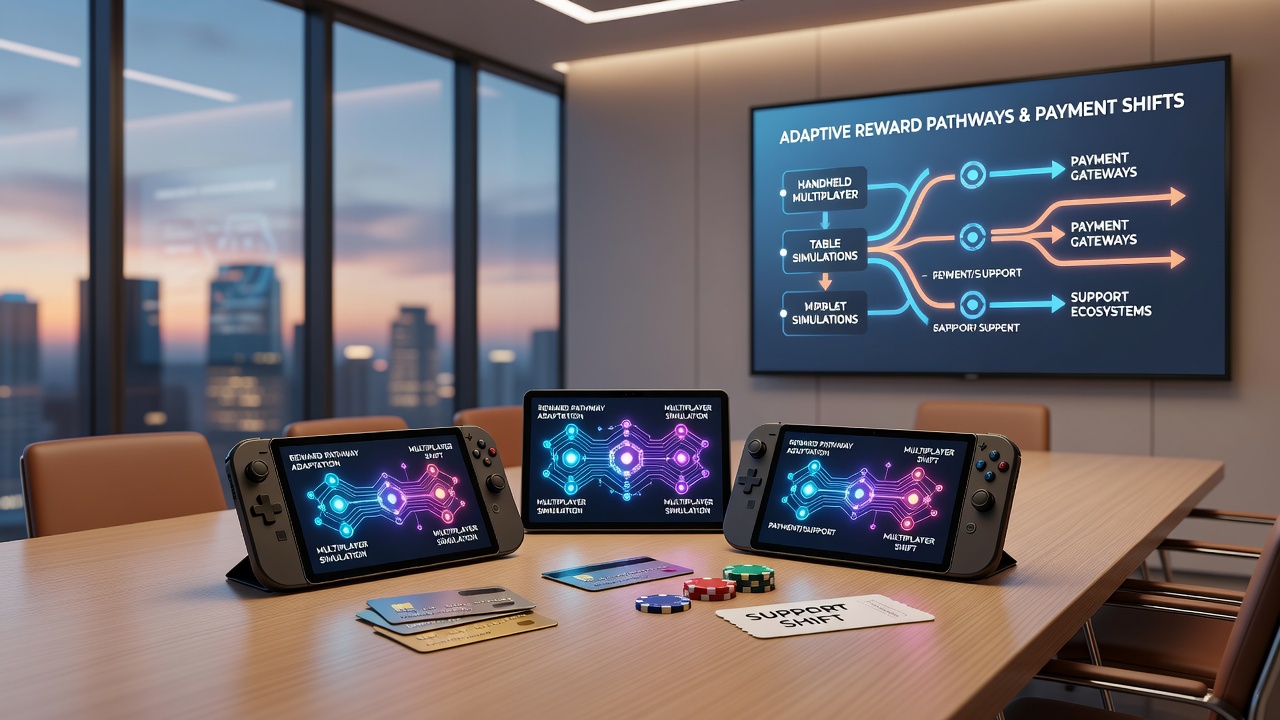
Adaptive reward pathways operate through algorithms that monitor session length, wager size, and interaction frequency before recalibrating incentives on the fly. Researchers at several gaming analytics firms note that these systems draw from behavioral datasets to decide whether a player receives accelerated progress toward a multiplier or an invitation to a private table event. In practice the pathways connect directly to payment gateways, so a completed deposit via a new method can unlock an immediate reward boost without manual intervention from operators. Observers have documented cases where support ticket resolution times influence the same reward engine, because faster assistance correlates with continued play and subsequent deposit activity.
Payment Method Evolution and Reward Triggers
Payment landscapes shifted markedly after several jurisdictions expanded approved transaction types in 2025, prompting simulation providers to redesign how rewards link to funding sources. Data compiled by the Nevada Gaming Control Board indicates that digital wallet usage in mobile table environments rose by more than thirty percent year over year, which in turn altered the timing of progressive incentive releases. When users select certain instant-settlement options the reward pathway registers the transaction within seconds and applies tiered bonuses automatically, whereas slower traditional methods trigger delayed activation sequences. This linkage reduces friction for players while allowing operators to manage cash-flow exposure across high-volume handheld sessions.
Support infrastructure changes have further shaped these pathways because many platforms now route assistance requests through AI-assisted chat before escalating to human agents. Figures from industry monitoring groups reveal that average response intervals dropped below two minutes in several major applications during the first half of 2026, and operators integrated those performance metrics into reward calculations. Players who receive prompt resolution often see their next session bonus increase, creating a feedback loop between support efficiency and continued engagement. The mechanism relies on timestamp data shared between support dashboards and the central reward engine rather than subjective evaluations of service quality.

Regional Regulatory Influences on System Design
European regulators have required clearer disclosure of how payment choices affect reward eligibility, leading developers to embed explanatory tooltips directly inside simulation interfaces. Meanwhile Canadian provincial oversight bodies have emphasized data privacy standards that limit how long behavioral information remains available for reward recalibration. These rules force platforms to refresh adaptive models more frequently while still maintaining continuity for returning users across devices. In Australia, recent amendments to interactive wagering codes prompted several operators to separate reward pathways from direct marketing communications, which changed the sequence in which incentives appear after a support interaction concludes.
One documented implementation involves a major simulation network that adjusted its loyalty multiplier schedule after the European Gaming and Betting Association published updated responsible gaming guidelines in early 2026. The network now requires players to complete a brief interaction checklist within the support module before certain high-value rewards unlock, thereby aligning the pathway with both payment verification and assistance protocols. Such modifications demonstrate how external compliance requirements translate into internal system logic without disrupting the core multiplayer experience.
Technical Integration Challenges
Engineers face ongoing difficulties synchronizing reward engines with multiple payment processors while preserving low latency on handheld connections. Latency spikes during peak evening hours can delay reward calculations by several seconds, which some operators mitigate by pre-authorizing smaller incentive tiers in advance. Database architects have introduced partitioned storage solutions that isolate transaction records from support logs yet still permit controlled queries when reward rules demand cross-referencing. These technical choices keep the adaptive pathways responsive even as transaction volumes and support ticket counts continue to climb through late 2026.
Conclusion
Adaptive reward pathways in handheld multiplayer table simulations continue to evolve in tandem with payment infrastructure and support delivery models. Regulatory updates across multiple continents have compelled developers to embed compliance checks directly into the reward logic, while technical refinements ensure that activation remains swift on mobile networks. The resulting systems reflect measurable shifts in how transactions and assistance requests feed into incentive structures, producing outcomes that operators can track through standardized performance indicators. As payment options diversify further and support channels incorporate additional automation layers, the same pathways will likely undergo additional recalibrations to maintain alignment with both player expectations and oversight requirements.